30 Oct 2026
Analyzing Volatility Patterns in Partnership-Driven Slot Innovations Across Emerging Mobile Platforms

Slot volatility analysis has shifted focus in recent years toward partnership models that blend developer expertise with mobile platform capabilities, and data from October 2026 shows distinct patterns emerging across these collaborations. Researchers tracking these developments note how joint ventures between established game studios and new mobile operating systems have produced measurable changes in payout frequency and risk distribution, particularly on devices running updated Android and iOS variants released earlier in the year.
Defining Volatility Patterns in Current Slot Designs
Volatility in slot mechanics refers to the distribution of wins over time, where low-volatility titles deliver frequent smaller payouts while high-volatility options concentrate larger rewards in less predictable intervals. Partnership-driven projects often calibrate these levels through shared data pools, allowing studios to adjust reel structures based on real-time mobile user behavior metrics collected across regions. Studies from the University of Nevada Las Vegas gaming research center indicate that such alliances have led to hybrid volatility tiers, where medium-high settings incorporate dynamic multipliers triggered by device-specific features like gesture controls or augmented overlays.
Partnership Models Shaping Innovation
Collaborations between software providers and hardware manufacturers have accelerated since 2025, with joint teams testing volatility algorithms on beta versions of emerging mobile platforms before full deployment. These partnerships enable precise layering of bonus rounds that respond to network latency and screen size variations, resulting in more stable performance across diverse user bases. Observers tracking industry filings report that companies involved in these ventures share anonymized session data to refine random number generators, which in turn produces volatility curves that align more closely with player retention goals on specific devices.
Mobile Platform Developments and Their Impact
Emerging mobile platforms introduced in 2026 feature enhanced processing for complex slot simulations, and this capability has allowed developers to implement volatility patterns that adapt during play sessions based on connection quality. Data collected through October 2026 reveals increased use of cloud-based calibration tools in these environments, where partnerships facilitate rapid updates to hit frequencies without requiring full game downloads. Those analyzing performance logs note that titles optimized for these platforms show reduced variance spikes during peak usage hours compared to earlier standalone releases, thanks to synchronized backend adjustments between partners.
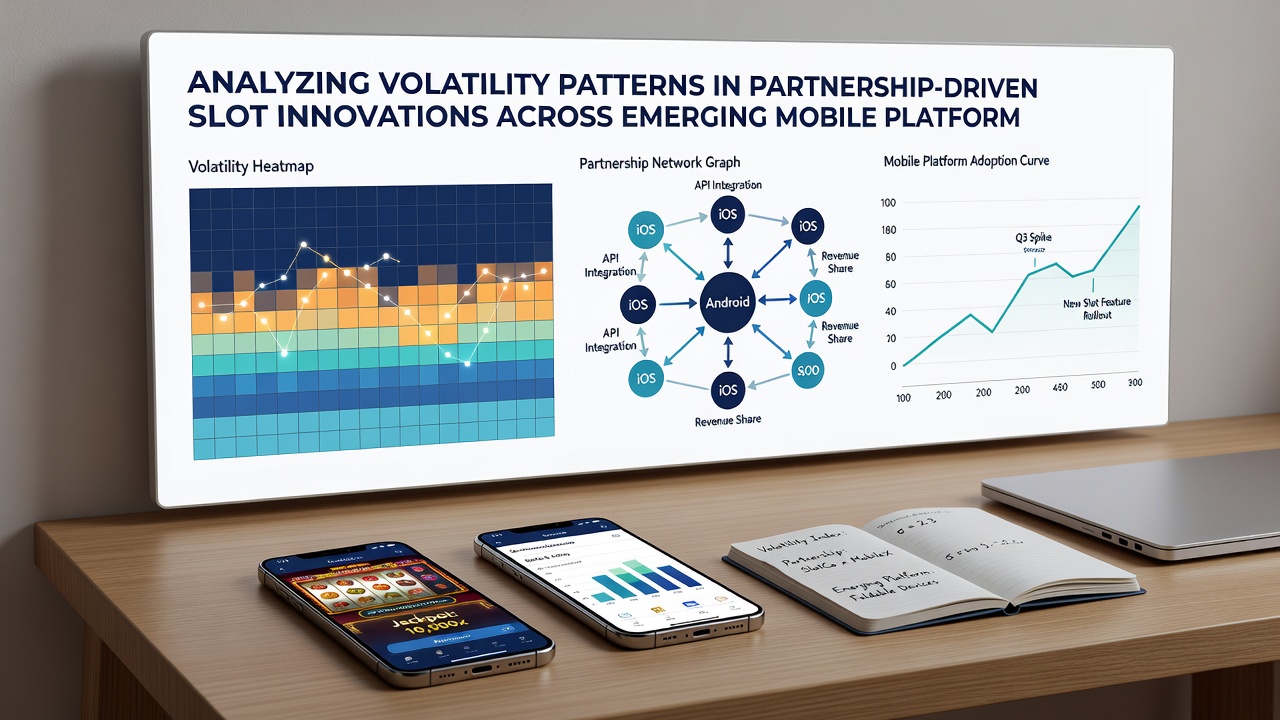
According to reports from the Pennsylvania Gaming Control Board, mobile-optimized slots launched through such partnerships accounted for a growing share of testing submissions in the third quarter of 2026, with volatility metrics submitted alongside platform compatibility documentation. This approach helps identify patterns where high-volatility elements perform differently on foldable screens versus standard displays, prompting further refinements in reel weighting and symbol distribution.
Observed Patterns in October 2026 Data
Analysis of recent releases shows that partnership frameworks tend to favor volatility clustering, where sequences of medium-risk spins transition into higher-stakes bonus phases at rates influenced by mobile engagement metrics. Industry organizations such as the Canadian Gaming Association have documented how these patterns contribute to steadier revenue flows for operators using cross-platform distribution, since the innovations reduce abrupt drops in session length that previously occurred on less compatible devices. Researchers examining aggregated play records find that emerging platforms support more granular volatility scaling, allowing games to shift between tiers within a single session based on accumulated wagers and time spent.
Technical Mechanisms Behind the Patterns
Shared development pipelines between slot creators and mobile innovators incorporate machine learning models that predict volatility outcomes from early user testing phases, and these models draw on datasets spanning multiple geographic markets. The result appears in titles where bonus layering adjusts dynamically to maintain target volatility ranges even as platform updates alter graphics rendering speeds. Figures from regulatory submissions highlight that such mechanisms have produced consistent standard deviation values across test groups, supporting broader adoption of partnership models for future mobile expansions.
Conclusion
Partnership-driven approaches continue to define volatility management in slot innovations on emerging mobile platforms, with October 2026 data underscoring measurable shifts in how risk and reward distribute across sessions. These developments rely on coordinated technical inputs that align game mechanics with platform capabilities, producing patterns that reflect both engineering precision and market responsiveness. Further tracking of these trends will likely reveal additional layers of adaptation as new devices and operating systems enter circulation.